The closure of the superphosphate manufacturing plants here in New Zealand is ongoing. They
are old and the cost of upgrading to meet modern environmental standards will become
prohibitive.
They are a relic of the days when high quality rock from Nauru and Christmas Island was
available at low cost.
Pastures responded positively, Britain was a guaranteed market for farm produce, and lowest
cost per unit of nutrient was a sound philosophy.
Times have changed. Pastures no longer respond as they once did and the demand for soluble
phosphorus will necessarily decline to meet true maintenance.
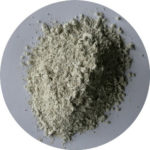
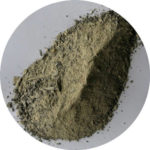
The replacement for superphosphate is soft phosphate rock. Phosphate rock suitable for direct
application to pasture contains around 30% calcium, much the same as ag lime.
Research shows the speed at which phosphorus is released is dependent on the demand for
calcium.
The reason calcium is essential is that all beneficial soil biology is stimulated by a steady supply
of plant available calcium.
Research on lime and its positive effect on the activity and population of earthworms is well
documented. Where beneficial earthworms thrive so do all other beneficial soil dwellers
including fungi and bacteria.
The Olsen P test measures around 5% of total soil held phosphorus. Additional Resin and Total
P tests are required to better ascertain the true phosphorus status.
The rate at which phosphorus moves from less available sites to become plant available is
dependent on soil biology.
The ideal air content of soil is 25% and intensively farmed pastures seldom contain that
amount. This negatively impacts pasture growth and the common response is to apply
synthetic nitrogen.
Synthetic N speeds the removal of calcium and beneficial soil biology declines. It’s a steady
downward spiral resulting in what is now recognised as an overall 20% decrease in annual
pasture production since the late 1980’s.
Accepting that soil fertility is calcium, not phosphorus, driven is essential. Extra clover growth is
stimulated resulting in more nitrogen being fixed reducing the necessity for synthetic nitrogen.
Clover is higher in calcium and energy than grasses which is why animals fatten more quickly
and milk production increases when animals graze clover dominant pasture.
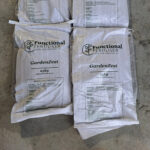
For over twenty-five years top performing intensive grazing and dairy property owners have
relied on CalciZest and DoloZest as the foundation of their farm performance.
CalciZest contains high quality lime along with soft carbon inoculated with a wide range of
beneficial soil biology.
Where magnesium is required DoloZest containing the same soft carbon and microbes with the
lime content replaced by Golden Bay dolomite is applied.
Phosphorus, sulphur, potassium and trace elements are added as required to ensure a total
nutrient package.
Autumn and winter are the ideal times to apply as pasture growth is often restricted by the
build-up of dung, old root matter and litter on the soil surface.
Digestion always comes before growth and winter is the naturally designated digestion period.
Applying now ensures spring production is maximised. Increased growth also lifts feed quality
as greater leaf surface area builds extra energy, a must for all animals in spring.
📞 Call Peter on 0800 843 809 to discuss how CalciZest and DoloZest can help future-proof your farm.