The requirement for magnesium to maximize both pasture yield and animal health remains
permanent.
Over time soils weather and the loss of minerals to subsoil and eventually groundwater is
inevitable.
Magnesium is one of the four major soil cations: the others being calcium, potassium and
sodium.
Animal health issues with lactating animals in spring almost inevitably centre around calcium
and magnesium, not necessarily the amount but the balance between the two.
Both elements are affected by freely available potassium. Urine is rich in potassium and
immediately displaces both calcium and magnesium.
Potassium fertiliser applied in the form of both muriate of potash and potassium sulphate
further deprive plants of these essential elements.
Soil moisture is also a factor with moisture in spring increasing the availability of potassium at
the expense of the other cations.
Magnesium is not well stored in animals and high producing dairy cows and ewes have an
ongoing demand which must be satisfied daily, if not part as of their feed, then it must be
supplemented.
Without adequate daily intake milk production is compromised along with muscle function
ultimately resulting in animals unable to walk.
Muscle damage is immediate and even when rectified quickly total production for the season is
reduced.
Many dairy farmers favour in-line dispensers for supplementation, with mixed results. When
problems persist, a common response is to increase the dosage resulting in a lack of calcium
and sodium and more animals suffering metabolic disorders.
Frustratingly it is higher producing animals that are at greatest risk with older animals being the
most vulnerable. As dairy cows do not mature until 7 years of age this is potentially a major and
costly loss.
The sensible and e ective way to increase the levels of both calcium and magnesium is by
applying Golden Bay dolomite on an annual basis.
There is an almost immediate lessening of metabolic disorders and a lift in milk production and
liveweight gain.
However regular applications of fertiliser (synthetic) nitrogen work against the uptake
particularly of calcium.
It is estimated that at best only 50% of applied nitrogen is taken up by plants with the remainder
finding its way into groundwater, taking with it calcium with a subsequent drop in soil pH.
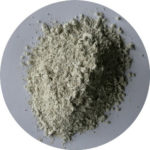
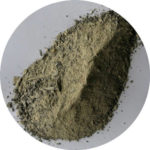
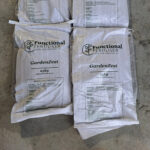
To overcome this DoloZest was developed. Based on GB dolomite it contains soft carbons
inoculated with a wide range of selected beneficial fungi and bacteria.
The microbes speed the rate at which litter on the soil surface, old root, dung, and other semi
digested organic matter is digested.
This rapid breakdown provides nitrogen for plant growth with the loss of nitrogen to groundwater
minimised.
Autumn pasture growth is accelerated with pasture high in full protein rather than nitrates. This
ensures animals gain weight more rapidly prior to winter.
Milk production is enhanced which allows animals to be dried o earlier with more pasture
pushed ahead before the colder soil temperatures and fewer sunlight hours limit growth.
Applied at 350 – 400kg/ha a single dressing ensures calcium/magnesium related metabolic
disorders are markedly reduced over winter and throughout the busy and demanding spring
period.
For more information call Peter on 0800 843 809.