In last month’s article the possible, even likely, retirement of the local superphosphate
manufacturing operations was mentioned.
When first established being sited in harbours made perfect sense. Large ships could unload
direct into sheds without the requirement for trucks. Unloading was fast, efficient, and low
cost.
Large amounts of sulphuric acid are required to make the phosphorus in hard-rock water
soluble. There is always the potential for the contamination of surrounding land and water, a
factor those opposing the renewal of resource consents will highlight.
These concerns have greater validity now that the positive impact of large applications of
immediately available phosphorus to pasture no longer exists.
The development phase of nearly all grazed land is over with maintenance-only input now
required.
Dr Tim Jenkins wrote in the article The big “P”, that the true maintenance in a typical sheep and
beef operation may be around 4 to 8kg P/ha, and in dairying 10 to 16kg P/ha.
That was published in 2007 and since then most farmers have applied at least double that
amount annually.
There is now often as much as 1000kgP/ha held in the top 15cm measured by the Total
Phosphorus test with only approx. 5% plant available at any time.
When P is applied in the water-soluble form it only stays in that form for a short period. It rapidly
combines with iron, manganese, and other elements with the speed at which it is released for
plant uptake dependent on beneficial soil biology.
Beneficial soil biology is ever present and performs best where there is 25% air and the same
amount of moisture. Higher than normal calcium levels also stimulate activity, particularly that
of earthworms.
Regardless of the form in which nutrient is applied, it is biology that ultimately determines the
speed and sustainability of growth.
Calcium and a soil pH of around 6.3 is essential for the rapid cycling of all nutrient. Relatively
small amounts of regularly applied nutrient is preferable to large amounts less frequently, as
biology and plants perform best in a constant environment.
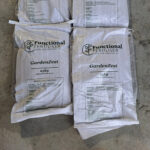
With all those aspects in mind CalciZest and DoloZest were developed by Functional Fertiliser
twenty-five years ago.
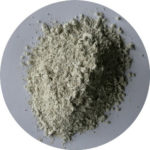
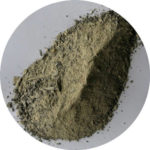
Both products contain soft carbons inoculated with a wide range of selected beneficial
microbes.
Bacillus ensure rapid digestion of old plant material with more rapid recovery of pasture after
summer.
Trichoderma are well known for their disease resistant properties and are also included as are
mycorrhizal fungi for their nutrient and moisture harvesting activity.
DoloZest containing Golden Bay dolomite is typically applied in autumn to ensure
calcium/magnesium related metabolic disorders in spring are minimized.
On properties where DoloZest is applied each autumn little magnesium supplement is required
during early season, with the proviso that animals are fully fed on the pasture to which product
has been applied.
Another often overlooked benefit is the increase in plant energy levels due to plants
photosynthesizing more efficiently. A handheld refractometer is an effective way of measuring
soluble sugar levels in the paddock.
DoloZest can be applied at any time that is suitable for groundspread vehicles and a rapid
response in animal performance can be expected.
📞 Call Peter on 0800 843 809 to discuss how CalciZest and DoloZest can help future-proof your farm.