As the supply of suitable low cadmiumphosphate rock dwindles, the cost has increased and is likely to continue to do so.
The on-going reduction in the amount of synthetic nitrogen further limits the use of the two nutrients pastoral farming has relied on for thirty years.
The solution to the nitrogen situation is a long known one, grow more clover to fill the deficit free of charge.
Calcium is the driver of clover growth and the availability of high-quality limestone is unlimited, particularly when used to best effect. Calcium has the added benefit of being a low cost nutrient.
Ultimately N costs can be significantly reduced, pasture production lifted, and nutrient loss via leaching largely eliminated.
The science behind this is not new, and nor is it challenged as there are many farm situations throughout the country that support the thesis.
It stems from the work undertaken by DSIR from the 1950’s, much of which was contained in their Soil Bureau Bulletins.
Current mainstream soil fertility models are based on the conditions that best favour grasses, and they are not the conditions that maximise clover growth.
The graphs on soil and plant tests received from laboratories can easily be reset to show the desired range to be higher or lower.
At present the levels given are skewed toward high grass content pasture rather than pastures containing close to 25% clover.
Standard soil tests give the desired pH between 5.8 and 6.2. Applying sufficient extra calcium to stimulate clover growth lifts pH close to 6.3, the level where the availability of all major nutrients is greatest.
In most pastoral soils there is many years of phosphorus supply although only a small portion is available for plant uptake at any time.
Applying ag.lime increases plant available phosphorus, known as phosphate sparing with soil testing the best way to measure the effect.
This extra availability is primarily due to the stimulation of beneficial soil biology. Research on the effect lime has on earthworms showed a marked increase in both their numbers and activity.
Earthworms improve physical soil structures allowing more moisture to be retained and plant roots to penetrate deeply allowing both moisture and nutrient to be extracted from as far down as 250mm.
It is not just earthworms that increase nutrient availability. Mycorrhizal fungi can extend root zone by up to 9 times and extract both nutrient and moisture from sites unavailable to plant roots.
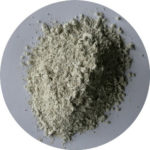
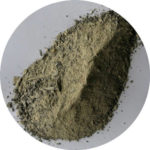
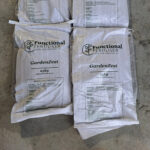
Twenty years ago, Functional Fertiliser developed CalciZest a product containing ag lime and soft carbons inoculated with a wide variety of selected beneficial fungi and bacteria.
Applied at 400kg/ha in spring, double the clover content of pasture has been measured during summer.
This increases both weight gain of young animals and milk production, both high in calcium.
Summer is the ideal time for clovers, and the time when grasses go to seed. Where conditions favor clover, gaps are filled providing excellent ground cover helping reduce moisture loss. For more information call Peter on 0800 843 809