Another two large scale intensive dairy farms in North Otago have been sold recently after receivers were called in. It was no secret locally that there had been both financial and staffing problems for some time.
Their failure provides fuel for those opposed to dairying in any form, and that’s a shame because the industry provides food, employment, significant income, and when done well it is the quickest way to sequester carbon.
To those new to the district the contour of the land appears ideal for intensive dairy. The wind-blown soils have a seemingly ideal gentle rolling contour. Dairy cows walk a long way each day and gradual slopes require less energy compared to steeper land.
The low natural rainfall has played an important role in the retention of nutrient and soil tests show the best of the country to have naturally high phosphorus, calcium, potassium, and magnesium levels reducing the requirement for expensive inputs.
The demand for a continuous supply of pasture means irrigation is essential and there’s a plentiful supply under most of the country.
Land locally remains relatively cheap compared to other intensive dairy areas so why did these enterprises run into difficulties?
There are several issues that may have contributed and are worth discussing as they have implications for similar operations elsewhere.
The two farms are located on soils that are quite sticky limiting the speed at which water can percolate downwards, and pugging is common under the downward pressure of large numbers of animals confined to small areas.
Soil compresses under feet and when it doesn’t quickly regain a structure with close to the ideal 25% air space, pasture production declines.
It’s the organic matter in soil that largely determines the amount of nutrient and moisture soils can retain and when synthetic nitrogen is regularly applied the speed at which organic matter is sequestered is compromised.
Surface run-off increases and the conditions for a lift in both nitrate and phosphorus levels in waterways are created although there is no evidence that this did occur on the properties mentioned.
Studies have shown that when nitrogen is fixed naturally by clover, rather than supplied in the synthetic form, the loss of nitrate to groundwater is minimised.
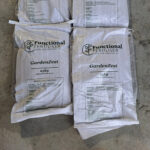
Functional Fertiliser has products that when incorporated into total nutrient programmes increase clover growth and total annual pasture production.
To maximise the benefits careful daily management of pasture is essential and there are tech sheets available that provide the information and techniques necessary for best results.
It’s not new information and was part of what farmers learnt prior to 1990 when there was still a reliance on clover for the supply of nitrogen.
A change doesn’t mean a reduction in annual pasture production as data from Ruakura Research Station showed permanent pasture production in the Waikato area higher in the 1980’s than it is today.
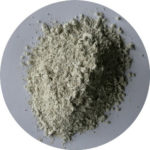
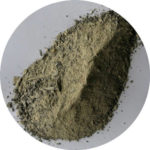
The shift to nitrogen fixed free of charge by clover can be seamless with a spring application of CalciZest resulting in an increase in both pasture and milk solid production over the next six months.
For more info talk to Peter on 0800 843 809.