With energy a major component of fertiliser production and New Zealand about as far away from production facilities as possible farmers current on-farm nutrient costs will never be cheaper.
The price escalation of imported products in the 1970’s provides historic precedent however we now also face possible lack of supply.
Around 30% of manufactured fertiliser travels through the Strait of Hormuz and either directly or indirectly its closure, temporary or otherwise, could mean some manufactured product may not be readily available.
For a small but significant number of farmers here that will be of little consequence. With farming being a competitive industry, they will prosper relative to their neighbours reliant on regular applications of synthetic nitrogen and water-soluble nutrient.
Recent soil tests from many farms show more than 1000kg/ha of phosphorus in the top 150mm. Annual removal of up to 50kg/ha means there is sufficient to cover any short-term deficit.
Soils naturally contain between 5,000 – 14,000kg N/ha within the root zone of pasture plants and with clover capable of fixing up to 670kg N/ha/year (based on NZ research) the use of synthetic N can be eliminated.
Most intensively farmed South Island soils contain very large amounts of potassium and require little if any for pasture maintenance. Even in horticulture where usage is considerably higher, fertiliser inputs can be markedly reduced due to increased root depth.
Only a small proportion of total soil held nutrient is plant available at any given time. To ensure sufficient for maximum pasture and crop production nutrient utilised by plants must be rapidly replaced.
You can either use costly nutrients now or rely on the soil’s reserves, replenishing them later if required.
There is a group of farmers that are already in that position. They understand that the supply of nutrient is only one third of the soil fertility equation. The other two components are physical soil structures and biological activity.
The key to growing up to 20 tonne of dry matter (DM)/ha with no reliance on synthetic nitrogen is stimulating the rapid organic cycle (ROC).
Calcium in the form of agricultural lime is the natural driver of beneficial soil biology of which the earthworm is the most obvious.
MAF research from the 1960’s showed, “numbers increased by 50% in response to 2.5 tonne of lime/ha and by 90% in response to 5 tonne/ha. Low populations are often associated with low calcium levels…”
Where earthworms flourish so do all other beneficial soil dwellers. Soils become increasingly friable reducing damage by feet during wet weather.
Deep pugging may require mechanical remediation however shallow damage and scuffing quickly repairs with little visible sign after the next shower of rain.
The effect of plant roots being able to grow deeper into the soil profile means a reduction in the area where pasture renewal is necessary.
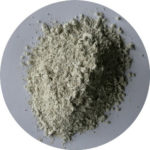
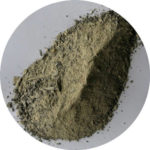
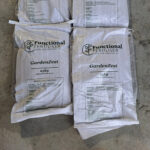
After a dry summer soil biology is at a low ebb and the quickest way to restore it is by applying either DoloZest or CalciZest. These products were developed close to thirty years ago by Functional Fertiliser Ltd and performance is well documented on commercial properties throughout the country.
For more info talk to Peter 027 495 0041 or 0800 843 809.